Staying warm in cold water extends your time in the water and improves performance. The following wetsuits offer premium insulation, heat-retaining features, and durable construction to help you stay comfortable during surfing, diving, paddle sports, and beach days. Below you’ll find five strong picks, each with notable warmth features and reliable design for American water enthusiasts.
| Product | Brand | Key Warmth Feature |
|---|---|---|
| Lemorecn Wetsuit Men 3/2mm Back Zip Full Wetsuits Black Blue(3031blackblue-L) | Lemorecn | 3mm neoprene with 3mm chest panel; back zip with secure fit |
| O’Neill Reactor-2 3:2mm Back Zip Full Wetsuit | O’NEILL | Lightweight warmth with Ultra Stretch Neoprene |
| O’Neill Heat 4/3mm Back Zip Full Wetsuit | O’NEILL | 4/3mm insulation and Heat tech features |
| Seaskin Mens 3mm Shorty Wetsuit | Seaskin | 3mm full body protection with front zip and heat-retaining design |
| O’Neill Heat 4/3mm Back Zip Full Wetsuit MT | O’NEILL | 4/3mm insulation with easy entry |
Lemorecn Wetsuit Men 3/2mm Back Zip Full Wetsuits

The Lemorecn 3/2mm wetsuit is designed for cooler water conditions, offering a 3mm neoprene core with a 3mm chest panel to trap body heat. The 2mm sleeves maximize flexibility, making it suitable for surfing and diving in water around 55°F and above. Flatlock seams help minimize chafing during long sessions, while a back zipper with a long pull rope supports quick entry and exit. A Velcro strap helps prevent water entry without restricting movement, and reinforced anti-abrasion knee pads add durability on rough surfaces. The YKK 10# zipper contributes to smooth operation and secure closure, aiding easy on/off in varied conditions.
O’Neill Reactor-2 3:2mm Back Zip Full Wetsuit

The O’Neill Reactor-2 3:2mm back zip wetsuit combines value with warmth and comfort. It’s designed for entry-level users and versatile water sports, including surfing and paddleboarding. The back-zip system allows easy entry and exit with a water-resistant closure. The ultra-stretch neoprene provides a soft feel, excellent flexibility, and enhanced performance, helping maintain warmth during light to moderate cold-water sessions.
O’Neill Heat 4/3mm Back Zip Full Wetsuit

O’Neill’s Heat 4/3mm back zip wetsuit is built for serious warmth and performance. Featuring high-end construction, a 3Q-length zipper panel aids easy entry and exit, and Fluid Seam Weld helps block water intrusion while boosting durability. This combination is designed to keep core warmth in cooler sessions and maintain flexibility for dynamic movement in surf, paddle, and water sports.
Seaskin Mens 3mm Shorty Wetsuit
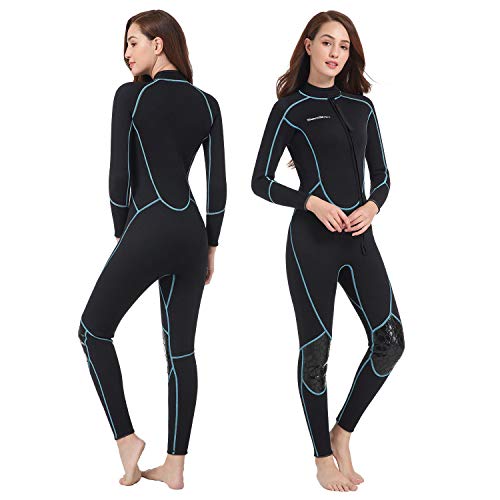
The Seaskin 3mm shorty wetsuit offers a snug fit with a front entry Zipper for easy on/off. Made from 90% neoprene and 10% nylon, it emphasizes stretch and heat insulation, enabling freedom of movement for activities such as canoeing, snorkeling, or diving. Flat-lock seams bolster durability and comfort, helping to retain warmth during longer sessions in cooler waters. Size guidance is important for a precise fit and warmth retention.
O’Neill Heat 4/3mm Back Zip Full Wetsuit MT
This MT version of O’Neill’s Heat 4/3mm shares premium insulation and constructive details designed to maximize warmth and comfort. The 4/3mm configuration provides substantial warmth for cool-water activities, while the back zip entry and flexible neoprene maintain mobility. The design emphasizes longevity and resistance to water infiltration, supporting longer sessions without compromising comfort.
Buying Guide: How To Choose The Right Wetsuit For Warmth
- Thickness and water temperature: Wetsuits are measured in millimeters. Warmer water typically calls for 2/3mm to 3/2mm wetsuits, while colder water may require 4/3mm or thicker. For added warmth, consider panels or linings in the chest and core areas.
- Entry system: Back zips are common and convenient for many users, but front-zip or zipperless alternatives can offer better sealing and reduce water entry in some designs.
- Fit and flexibility: Look for stretch neoprene and properly placed seams (flatlock, sealed or blind-stitched) to support comfortable movement without heat loss.
- Durability features: Reinforced knees, overlock cuffs, and YKK zippers improve longevity in rough conditions and frequent entry/exit.
- Seam construction and water sealing: Seam types and taping influence water leakage and warmth retention; more advanced models use welded seams to minimize leaks.
- Size guidance: Correct sizing is critical for warmth. Refer to manufacturer size charts and user reviews to ensure a snug fit without restricting movement.
- Weight and flexibility balance: Heavier materials can enhance warmth but may affect mobility. Select a balance that fits your preferred activities, such as surfing versus snorkeling.
- Care and maintenance: Rinse with fresh water after each session, avoid harsh chemicals, and air dry away from heat sources to preserve insulation and extend life.
- Purpose and activity: Choose a wetsuit tailored to your primary activity—surfing, diving, kayaking, or swimming—as this influences panel placement and flexibility requirements.
- Budget and value: Higher-end models may offer better warmth retention and durability, but several mid-range options provide strong warmth with reliable construction for casual use.