Choosing the right pool salt level tester helps maintain safe, clear water and optimizes saltwater chlorination systems. The following five meters offer digital readings, multiple units, and practical features for pool owners, aquarists, and spa enthusiasts. Each option emphasizes accuracy, ease of use, and reliability across common saltwater environments.
| Product | Brand | Notes |
|---|---|---|
| Pool Salt Tester & PH Meter, Hofun 5-in-1 | Hofun | Salinity, pH, temp, EC, TDS |
| eSeasonGear SALT-3050 | eSeasonGear | Precalibrated 0-9999 ppm; IP65 |
| dzdarren Professional Pool Salt Tester 4-in-1 | dzdarren | Salinity, TDS, EC, Temp |
| ORAPXI 5-in-1 Salt & pH Meter | ORAPXI | Salinity, pH, Temp, EC, TDS |
| YUZIIB 5-in-1 Digital Pool Tester | YUZIIB | Salinity, pH, EC, TDS, Temp |
Hofun 5-in-1 Pool Salt Tester and PH Meter
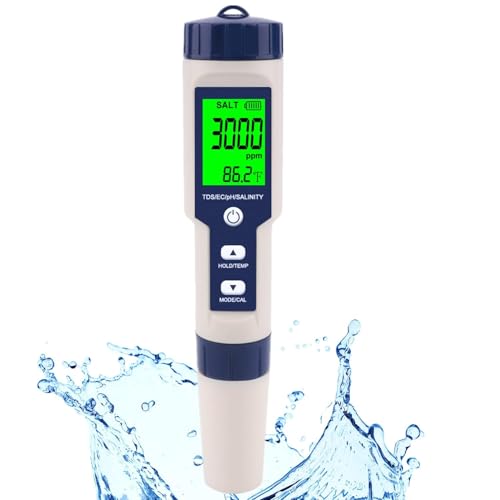
The Hofun 5-in-1 digital tester combines salinity, pH, temperature, EC, and TDS readings into one compact device. It supports applications in swimming pools, spas, hot tubs, aquariums, and hydroponics, making it a versatile choice for mixed-use environments. The device automatically adapts the display when readings exceed 9999 ppm for salinity, simplifying cross-unit interpretation. Mode switching is straightforward—activate the SALINITY function with a single press to get quick, readable results. A practical option for ongoing saltwater pool maintenance and precise chlorinator control.
eSeasonGear SALT-3050 Waterproof Meter
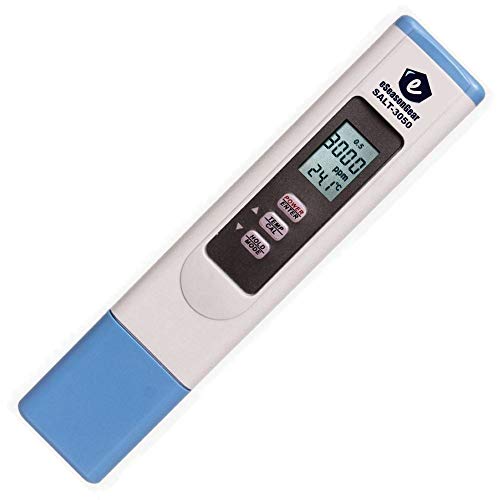
The SALT-3050 from eSeasonGear is pre-calibrated in the 0.5 salt mode for immediate use, reducing setup time. It covers a broad salinity range up to 9999 ppm and offers a temperature span from 0 to 55 °C. Water resistance is rated IP65, protecting the meter from splashes and rain in outdoor pool areas. This model is designed for ease of use with a foil of features that fit saltwater pools, koi ponds, and marine aquariums, and it recommends pairing with TS107 test strips for quick cross-checks.
dzdarren 4-in-1 Pool Salt Tester

This professional-grade tester focuses on saltwater pool control by delivering precise salinity readings to support proper chlorination. In addition to salinity, it measures TDS, EC, and temperature, offering a comprehensive snapshot of water quality in one device. It is especially useful for pool owners with salt chlorine generators who need reliable data to prevent over- or under-salting while keeping water balanced for swimmers and equipment alike.
ORAPXI 5-in-1 Salt and pH Meter

ORAPXI’s 5-in-1 meter covers salt, pH, temperature, EC, and TDS, designed for saltwater pools, hot tubs, spas, and swim spas. It notes a broad salt test range of 0-9990 ppm and includes guidance on optimal pH levels tailored to different pool finishes (fiberglass, vinyl, tiles). A key feature is digital readings that reduce guesswork compared with test strips, supporting efficient maintenance of chlorine production and water balance in saltwater systems.
NewTest Pool Salt Test Strips Kit (150 Strips)

While strips are not digital meters, NewTest’s 8-in-1 test strips provide a broad snapshot of pool chemistry, including salt, pH, free chlorine, hardness, total chlorine, total alkalinity, and cyanuric acid. The kit claims long-term value with 150 strips, making it a practical option for swimmers and spa users who prefer quick, multi-parameter color-readouts. It serves as a useful cross-check against digital testers to validate accuracy and detect trends over time.
AquaChek Salt Test Strips for Pools
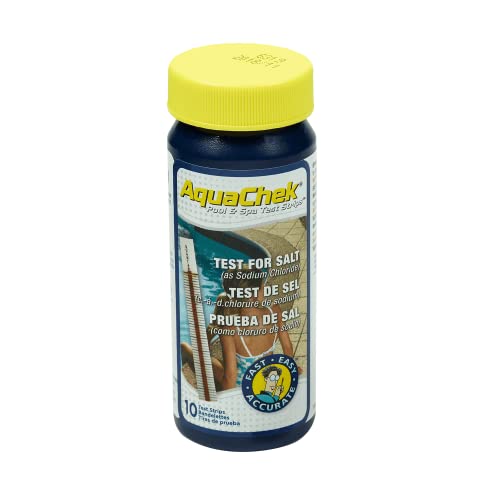
AquaChek focuses on saltwater pool testing with white titrator strips designed for sodium chloride levels in salt generator pools. Relying on medical-grade tech for accuracy, these strips provide results in minutes and are easy to use—just dip, read, and compare to a chart. This option helps pool owners regularly monitor salinity while keeping maintenance costs predictable and straightforward.
YUZIIB 5-in-1 Digital Pool Tester
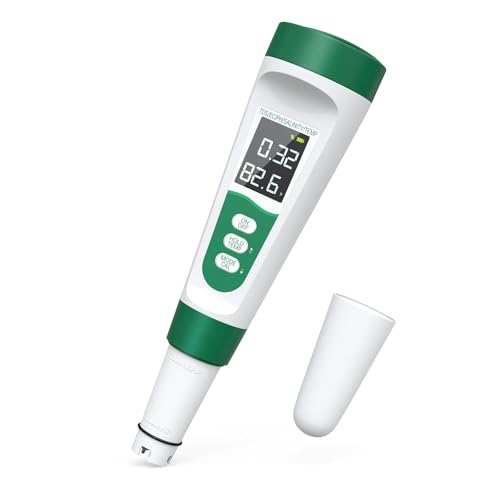
YUZIIB’s 5-in-1 tester covers salinity, pH, EC, TDS, and temperature, positioning itself as a versatile option for pools, spas, hydroponics, and aquariums. The device emphasizes high-precision readings with corrosion-resistant titanium alloy probes and a user-friendly LCD display. It is suitable for professionals and home users who test frequently and require dependable, fast results with a compact form factor.
Buying Guide: Key Considerations for Choosing a Pool Salt Level Tester
- Measurement scope: Look for meters that cover salinity, pH, temperature, EC, and TDS in one device to reduce the number of tools needed for pool maintenance.
- Calibration and accuracy: Precalibrated or easy calibration processes minimize downtime and improve reading reliability. Check stated accuracy (e.g., ±2%).
- Salinity range: Ensure the device supports a wide range (0–9999 ppm or equivalent) to accommodate various saltwater systems and edge cases like seawater or high-salt environments.
- Waterproof and durability: An IP65 or higher rating is beneficial for outdoor pool environments where splashes occur. Durable probes and corrosion-resistant materials extend life in chlorinated water.
- Display and ease of use: Clear LCDs and straightforward mode switching help users read results quickly, especially when balancing multiple parameters.
- Cost of consumables: Test strips can be a recurring expense. Compare digital meters with test strips to weigh long-term costs.
- Maintenance compatibility: Check whether a meter pairs well with your existing salt chlorinator or monitoring system, and whether it supports additional test strips or accessories from the same brand.
- Multi-environment versatility: If you manage pools, hot tubs, koi ponds, and aquariums, a 5-in-1 device reduces clutter and simplifies training for family members or staff.
Comparative Notes
Digital testers offer precise, immediate readings and remove the guesswork associated with color-based strips, particularly for daily tests or when adjusting salt chlorine generators. Strips remain valuable for quick checks and as a cost-effective backup, helping confirm trends without relying solely on electronics. When choosing, consider your testing frequency, pool size, and whether you prioritize a single multifunction device or a broader toolkit with separate test strips for cross-validation.