Choosing the right epoxy pool deck coating can dramatically reduce heat buildup, improve safety with non-slip finishes, and extend the life of concrete surfaces around your pool. This guide highlights five top epoxy-based coatings designed for DIY installation, reflecting on heat resistance, slip resistance, coverage, and compatibility with plaster, fiberglass, and concrete pools. Each option below is evaluated for American homes seeking durable, performance-focused results without professional installation costs. Read on to compare features, application steps, and buying considerations to help you select the best epoxy pool deck coating for your space.
| Product | Brand | Key Benefit | Approx. Coverage |
|---|---|---|---|
| Cool Pool Deck Coating – 200 sq. ft. Bundle Pack | Encore Coatings | Heat reduction and DIY kit with cleaner | Up to 200 sq ft (two coats) |
| Cool Decking Pool Deck Paint | Encore Coatings | Heat reduction and non-slip sealing | Approximately 150 sq ft per gallon |
| Olympic Pool Paint – Zeron White | Kelley Technical Coatings | One-coat epoxy for multiple substrate types | 125–150 sq ft per gallon |
| Olympic Pool Paint – Zeron Bikini Blue | Kelley Technical Coatings | Color options with same performance | 125–150 sq ft per gallon |
| Doheny’s Pro-Grade High Build Self-Priming Epoxy | Doheny’s | Self-priming, suitable for various substrates | Depends on surface |
Cool Pool Deck Coating Bundle Pack

The Cool Pool Deck Coating bundle from Encore Coatings presents a complete, heat-reducing solution intended specifically for concrete pool decks. The kit integrates a cleaner designed to prep the surface, followed by a 1-gallon color coat to create a durable, semi-gloss finish. Coverage is listed at up to 200 square feet with two coats, making it suitable for standard residential pools. The kit’s heat-reduction claim of more than 38% can help transform hot, uncomfortable walkways into more appealing outdoor spaces for summer use. Compatibility with concrete surfaces and ease of DIY application make this a popular option for homeowners seeking a straightforward refurbishment.
Key features include a water-based, eco-friendly cleaner for prep and a heat-reflective deck paint designed to lower surface temperatures. While the bundle targets ease of use, users should follow the included steps precisely: prep with the cleaner, rinse, dry, then mix and apply the paint according to surface condition and temperature guidelines. Proper surface preparation is critical for adhesion and longevity of the coating, especially on older or porous concrete.
Cool Decking Pool Deck Paint
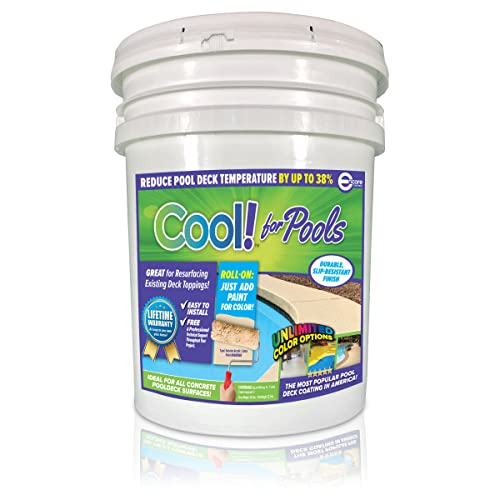
This coating from Encore Coatings emphasizes foot comfort and heat mitigation. It is marketed for use around pools, with a focus on reducing surface temperatures by up to 38%, helping feet stay cooler on hot days. The product also stresses a non-slip surface when wet, addressing safety as a core requirement for pool areas. The coating is presented as a sealant and heat-absorbing layer, which helps protect the underlying concrete from weathering while maintaining a cooler walking surface. The product’s design aims at both residential and commercial settings, including themes where heavy foot traffic is expected.
For DIY enthusiasts, the product’s claims about comfortable feet and non-slip performance align with common pool-side concerns. When applying, homeowners should ensure even coverage and note that final slip resistance may vary with surface texture and maintenance. The coating’s durability depends on proper surface prep, weather conditions during application, and adherence to curing times.
Olympic Pool Paint Zeron White

Olympic Pool Paint Zeron White is a two-part epoxy coating designed for plaster, fiberglass, steel, and aluminum pools. The kit includes a base and a catalyst, with the final volume typically reaching one gallon after mixing. Coverage estimates range from 125 to 150 square feet per gallon, depending on surface texture and porosity. The two-part system requires thorough mixing and timely use to prevent premature hardening, emphasizing precision in preparation and application. This option is suitable for pool surfaces that require a durable, chemical-resistant finish and uniform color that maintains clarity and gloss under water exposure.
Users should plan for accurate mixing ratios and a clean, well-ventilated workspace during installation. Surface preparation is critical to maximize adhesion and reduce the risk of micro-cracking. The white color option can help brighten water reflections, while ensuring proper curing conditions for best results.
Olympic Pool Paint Zeron Bikini Blue

This Bikini Blue variant of the Zeron pool paint provides the same two-part epoxy system as the white version, offering color customization for aesthetic appeal around the pool area. Coverage remains around 125–150 square feet per gallon, making it similar in practical use to other epoxy pool coatings. The key distinction lies in color, which can influence heat absorption and water clarity perception. Like other two-part epoxies, accurate measurement of components and adherence to curing times are essential for optimal performance and uniform color.
Homeowners should evaluate how color choices interact with the surrounding deck materials and landscaping. Lighter colors may reflect more sunlight but may require closer attention to chalking or fading over time. Proper ventilation and surface preparation continue to be crucial to ensure a durable finish with a smooth, long-lasting appearance.
Doheny’s Pro-Grade High Build Self-Priming Epoxy

Doheny’s Pro-Grade High Build Self-Priming Epoxy Swimming Pool Paint is presented as a versatile coating suitable for concrete, fiberglass, plaster, gunite, and previously painted epoxy surfaces. The self-priming feature simplifies installation by reducing the number of coats and steps required, while the satin finish offers a balanced sheen that can withstand pool chemicals and environmental exposure. The product is positioned as a high-build solution, which may provide better coverage on rough or aged surfaces. It is important to note the product’s suitability for various substrates and the need for proper surface preparation to achieve a durable result.
For homeowners evaluating this option, consider the surface condition, porosity, and existing finishes. Self-priming epoxies can save time and materials, but they still require thorough cleaning, degreasing, and possibly light abrasion to ensure adhesion. Curing conditions, temperature, and humidity will influence the final hardness and durability of the coating.
Olympic Pool Paint Zeron Blue Ice

The Blue Ice variant of Zeron pool paint provides the same two-part epoxy system with a distinct blue shade, suitable for plaster, fiberglass, steel, and aluminum pools. Like other Zeron products, it requires proper mixing of the base and catalyst, with anticipated coverage of roughly 125–150 square feet per gallon. The color option can help coordinate with outdoor décor and pool water visuals. The product’s performance depends on proper substrate preparation, precise catalyst ratio, and adherence to curing times to avoid issues such as soft spots or color inconsistency.
Reviewers should assess the long-term maintenance plan, including periodic inspections for chipping or wear, and consider compatibility with pool chemicals and brush or roller application methods for dependable results.
Olympic Pool Paint Poxoprime II Primer

Poxoprime II Primer is a dedicated two-part epoxy primer designed to improve adhesion on plaster or concrete pools before applying topcoats. The kit includes a base and catalyst, with a recommended coverage of approximately 200–250 square feet per gallon when used as a primer. The primer is intended to enhance bonding and reduce the risk of delamination on challenging surfaces. Thorough mixing and timely use are emphasized to ensure a workable pot life and a solid foundation for subsequent coats. As with all primers, surface cleanliness and proper curing conditions influence the final appearance and durability of the pool finish.
When integrating Poxoprime II into a project, plan ahead for compatible topcoats and color choices. Priming can significantly improve long-term performance, especially on surfaces that have experienced previous coatings or minor damage.
Buying Guide: Epoxy Pool Deck Coatings
- Surface compatibility: Check whether the coating supports concrete, plaster, fiberglass, gunite, or metal pools. Some products are designed as universal two-part systems, while others are optimized for specific substrates.
- Heat management: For hot climates, select coatings that advertise heat reduction or heat reflectivity. Lighter colors can also contribute to cooler surface temperatures but may fade more quickly with sun exposure.
- Slip resistance: Non-slip or ADA-compliant finishes offer safety around wet pool decks. Consider the surface texture and whether a non-slip additive is included or recommended for your deck.
- Coverage and layering: Epoxy coatings vary in coverage per gallon and often require multiple coats. Plan for surface porosity and potential touch-ups, especially on aging or uneven concrete.
- Drying and curing: Temperature, humidity, and ventilation influence cure times. Ensure you can maintain appropriate conditions for the recommended curing window to maximize adhesion and wear resistance.
- Maintenance and longevity: Look for coatings with chemical resistance to chlorine and pool cleaners. Consider future repaint cycles and whether the product supports easy recoating without extensive surface prep.
- Application method: Some products come as complete DIY kits with cleaners and rollers, while others require separate primers, catalysts, and topcoats. Choose a system that aligns with your comfort level and tool access.
- Color and appearance: Epoxy coatings come in various colors that affect heat absorption and aesthetics. Ensure color stability and compatibility with surrounding décor and lighting.
- Safety and environmental concerns: Water-based formulas may offer lower odor and fewer volatile organic compounds (VOCs). Review safety data sheets for ventilation and disposal guidelines.
- Price vs. value: While some kits appear economical, consider total coverage, number of coats, and required prep work. A higher upfront cost may translate into longer-lasting results and lower maintenance.
Overall, select epoxy pool deck coatings that balance heat management, slip resistance, substrate compatibility, and long-term durability. Thorough surface preparation and adherence to manufacturer guidelines are critical for maximizing performance. For many homeowners, a well-chosen system provides safer, cooler, and more visually appealing pool surroundings with fewer maintenance concerns over time.